About Me

My photo
Author of queer, wry sci fi/fantasy books.
Showing posts with label young adult. Show all posts

Thursday, 12 June 2014

Forever Young: What YA Has to Offer Adult Readers (Part 2)


Hello hello!

Aaaand we're back.

I will be touching on many other books, so general

SPOILERS SPOILERS SPOILERS 


may lie ahead. So, let's get started again.

In my last post, I depressed the hell out of you all about what adulthood entails and then proceeded to bash nostalgia-goggles and the way they shape our perception of teenage years. However, I think that the same things that draw us to YA are also helping us get over those same problems.


Picking on teenagers lets adults pretend they're more mature, when they really aren't


There is no difference between the things teenagers do to "fit in" and the things adults do to "keep the peace". It's only a matter of sophistication. Is having alcohol for the first time with one friend and sneaking out to hang out with boys really so different from ignoring what one of your friends says about pretty women every time she goes to the gym just because you don't want to get in a fight? Teenagers are called "young adults" for a reason, and the same struggles that teens go through reoccur throughout life, just in different and sometimes more subtle forms. Teenagers have to compromise, assert themselves, leave bad influences behind, make new friends, and apply for jobs and other opportunities. That happens throughout adulthood, which is hardly the smooth ride towards success, retirement, and death that people pretend it is. One of the things that's been most surprising in my own journey out of high school and university is how much things do keep changing, and how just when one thinks things are under control and on lock, all sorts of weird stuff and various disasters will happen anyway. However, pretending that it's only teens who are caught offguard and unawares and make poor decisions makes adults feel better about their own errors and moments of truculence and rudeness.


Source. Because sometimes, you just have to show up to school dressed like Alice Cooper and start crying.


Going over past experiences helps you resolve them. 


Memories do change as we go over them, as I mentioned last time, and while i don't have the time or inclination to provide a fully-researched paper on that right now, I will say that the re-investigation of memories is one of the things that people work on in counselling. Ghosts are often bound to repeat the same actions over and over again, or are confined to the same locations, and that makes for an excellent metaphor on how people repeat the mistakes they haven't gotten over. By revisiting life experiences in YA and gaining new frameworks to compare life events to, people find new meaning in the things that sucked or seemed to ruin their lives. This is great, because you can't always track someone down on Facebook to apologize to them. They might have married, changed their names, or, well, died. YA stories provide a second chance at these things within the safe realms of the theatre of the mind. However, adults who've had many experiences aren't the only ones who benefit from this.


Teenagers need your sympathy, and remembering what it was like to be one really helps.


Teenagers need adults to read YA because it makes adults empathize with them more. It seems simple, but it's true. All that hindsight and self-insight and the other skills that come with a few level-ups just aren't present yet for teens. That's not their fault, it's just a matter of neural development and a lack of time. All that stuff that's all shiny and new and exciting? Well, it's also new, and that means teens have to learn to make decisions the hard way, i.e., by guessing. However, adults who are willing to listen to them can really help. Instead of calling a teenager stupid for fawning over a cute athlete who never gives them the time of day, remembering how utterly sweeping and magnificent the feelings of young love can be, and how much hope one had in spite of great odds, can be really useful. Sure, an adult will know that their crush is unattainable and actually kind of a douche, but teens haven't learned that yet, and the same beautiful hope can lead to some very stupid, heartbreaking things.


Regardless of all the age stuff, YA books are great to bond over.


Realising that teenagers aren't so very different from adults is helpful when talking to them, and once you get over that age hurdle, you can enjoy the same things. What a teen discovers for the first time might remind their family members or friends of similar experiences, and when the two talk about a book, other things will come up. That means other books, other movies, and of course, life experiences. The adult and teen can go through the same highs and disappointments in the book together, sometimes as a mutual first, and that's great for both. Sometimes, age doesn't even matter that much when the story is really good.


Source.


Should adults grow up and stop reading YA books? Do we need to fix this problem?


Of course not. Books are a gateway drug to more books. Sure, YA is less "scary" than traditional literature, but that doesn't mean it won't make people read those other books. YA is often shorter and easier to read than, say, contemporary lit or Russian heavyweights, and that's fine. The important thing is to read, period, and because YA isn't really bound by the same genre rules, it's adventurous. Someone who generally hates romances and "weeping bait" (yo!) might find themselves genuinely enjoying it and learning that yes, it's okay to cry hard over fictional characters again. Some YA is "safer" than adult lit, focusing on simpler problems, and that can be a nice vacation when one's partner has lost their job, their kids are struggling in school, and their mother has cancer. And, as mentioned, sometimes simple questions provide the answers for handling complex problems. Escapism can create problems and lead to really bad ideas too, because books do matter, but sometimes simple things can literally inspire a revolution. 

Ultimately, YA is just the flavour of the moment for people who want a whipping boy, something to condemn for the alleged state of ignorance of modern society. However, there's a quote about all our depravity that really needs to be mentioned.

"Our youth now love luxury; They have bad manners, contempt for authority; they show disrespect for their elders and love chatter in place of exercise; they no longer rise when elders enter the room; they contradict their parents, chatter before company; gobble up their food and tyrannize their teachers."

Oh, my bad. Did I say that was about modern youth? It's by Socrates and it's about the youth in his day and age. There's nothing like whining about them kids to make you feel like you're doing everything much better than they are. The kids are battered and bruised, they are dealing with a new, big, scary world, but at the end of the day, both the kids and their books are all right.

*****
Thanks for dropping by the nest once again. Don't miss any of the phuquerie. Find Michelle on TwitterFacebook, and on Tumblr, and find her work on Amazon. Check back on the blog to see when one of the irregular posts has careened onto your feed. This is the one and only SciFiMagpie, over and out! 

Tuesday, 10 June 2014

Forever Young: On Youth Fetishization and YA (Part 1)

Hello hello!

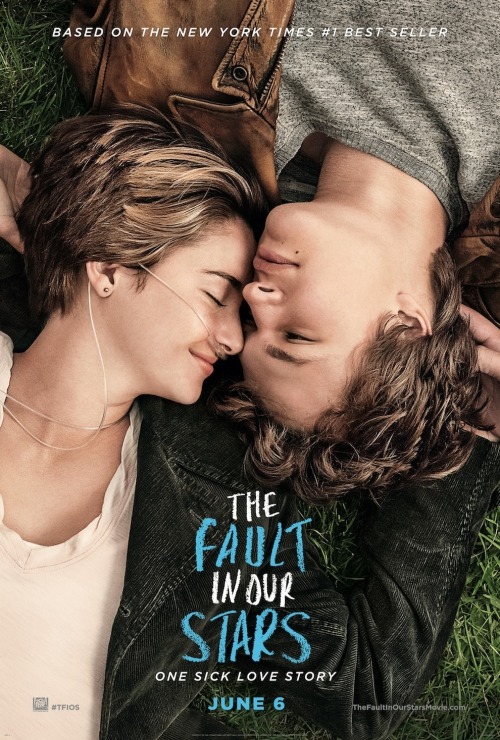
Did you miss my opinion pieces? I hope so, because an article that has been rattling around the internet got me thinking about what makes us love YA so much. I'll try to avoid spoilers for The Fault in Our Stars and Looking for Alaska by John Green, but I will be touching on many other books, so general

SPOILERS SPOILERS SPOILERS 


may lie ahead. So, let's get started.


What the hell is "YA", or "Young Adult" fiction anyway?


Adults love YA too, even though "young adult" fiction stars teenagers and is basically just an age category for marketing purposes that encompasses all lit targeted towards teenage audiences. I argued with some friends about whether YA should be a genre recently, and ended up agreeing that, no, it isn't and shouldn't be considered as such, although "Coming of Age" stories or "Bildungsroman" are, and should be marketed as a genre more often. The reason for this is that YA is just too damn diverse. It has some common elements--teenage characters, often girls, as protagonists, a setting in high school, a focus on personal drama, and elements that involve maturation or struggling with meaning. Existential elements and slightly simplified prose are very common.

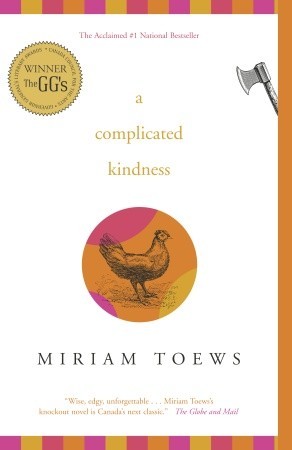
 If you want to get technical, both Life of Pi and The Underlighters could be called "young adult" books because of their topics and the age of their main characters. Ultimately, though, calling something YA is a marketing decision. There are adult books with teen characters, such as the Idlewild trilogy by Nick Sagan, Lullabies for Little Criminals by Heather O'Neill, and Irma Voth and A Complicated Kindness by Miriam Toews. Every single one of those could easily be called YA, but they weren't, and that just boils down to commercial reasons.


Source.

What's a "young adult", anyway?


The answer for this one is going to touch on something that we in North America at least, hate to talk about and also love to talk about. Namely, it's high school. We need to contextualize something about the modern understanding of youth, too--until the Victorian era, there was a hard definition between childhood and adulthood. You finished up a few grades of school and got sent into the working world, and boom, you were an adult. Then people started to realise that there was more of a transition between the snot-nosed childhood stage and the beer-breathed adulthood stage, and we created the concept of the teenage years, or what's more correctly called "adolescence". Oh, sure, "youths" were recognized before that change happened, but they were still basically treated as adults. It was The Great Depression and the Second World War that created the concept of teenagerdom, and since then, we've been stuck with it.

Of course, that means people decided to make money from young adults as well, and teenagers have been a targeted marketing group ever since.


So why do adults care about books for teenagers? 


There's this myth is North America, at least, that what happens in your childhood and adolescence doesn't matter. Bullied? "You'll get over it." Your friends and crushes will drift away, buried in the backyard of your mind like so many Barbie heads and Hot Wheels toys lost in sandboxes.

Well, it's just not true. Yes, time does heal wounds very effectively, and memory is much less certain than we think it is--you can create memories by talking about them and believing in them, and they change a little every time you recall them. And of course, stuff that happens in the first eighteen or twenty-odd years of your life doesn't just magically go away. However, people tell you that they're supposed to. It's strange, because old age is something not all of us live long enough to experience, but the formative years that almost all of us get to enjoy--nope, not important, shrug those off. Which leads me to my next point.


Adults are both in denial about their teen years and obsessed with them. 


Frankly, it's a little weird. This early part of your life, which you'll "get over" and you're supposed to move past, is the focus for most stories. Many protagonists are young--hell, A Song of Ice and Fire involves a whole bunch of characters under the age of twenty--but there's an expectation that maturity means putting high school behind you. That's reasonable, but people also tend to mention high school a lot and use it as a reference point. We're so busy telling people to put the past behind them that a lot of people don't deal with it properly, and the petty sins and small ghosts pile up after a while. Hell, Looking for Alaska depends on the protagonist, Pudge/Miles, following in his father's footsteps to go to a boarding school precisely because his father remembers his experiences there so fondly.

Perhaps as a result of this, most protagonists are quite young, and their stories often feature a lot more resolution than real lives do. The boy/girl/tentacle monster that got away, the parental argument, the bad decision--all kinds of things that hindsight's blazing lamp illuminates--tend to be the focus for these young adult stories. However, the young adult characters often have a lot more power and self-determination than most people feel they had at the same period.

Basically, the YA characters get the best of both worlds--the adult's hindsight and the teenage freshness--partly because people hunger to live through their youthful experiences again but handle them the right way "this time". The way Hazel from The Fault in Our Stars handles a particular adult certainly felt like a daydream of revenge against someone overly idealized. Gauguin said, "Life being what it is, we dream of revenge", and YA fiction is full of delicious, delicious revenge and resolutions. I actually heard about the Gauguin quote from A Complicated Kindness, and that's a story where there really is no figure to seek revenge against, though arguably, Nomi still does take some.


We are obsessed with youth and undervalue adulthood. 


For some reason, the period of time when people have little control over their lives, little self control, less money, and no experience is the time we think is the absolute best for adventure settings. Whether it's contemporary brushes with gang violence or leading an uprising against tyrannical totally-not-parental-figure leaders (et tu, my dear Hunger Games?), young adult characters are smarter, better, and their lack of experience is generally understated compared to real life. However, teens both real and fictional do have a certain brashness and courage that real adults lack. Constant justifications about why certain things can't be done--some reasonable, some downright cowardly--control people's lives. After all, your abusive boss might be piling on extra work, but you have a family to feed, and you can't lose your job. Teenagers haven't learned about consequences yet and sometimes just don't care about them, and frankly, that's not always a bad thing. Sure, it can be, but there are times when stupid decisions are the best you'll ever make.

There's also this weird denial of death and youth-fetishization thing that happens in North American culture (possibly others too?) where the zits and other actual health problems people encounter during adolescence are ignored to focus on the easy beauty teenagers have. Their bad health habits haven't set in yet or haven't caught up to them yet, they're active, they try to look good and impress other people, and for that reason, adults look at their teenage children and neighbours, then look at themselves, and basically collapse in a puddle of envious self-loathing and hatred.


Adulthood is awesome.


This is very stupid. Adulthood has a lot of advantages, and giving up wonder, curiosity, and etcetera are not the required prices of admission. Sure, you know more, but that means that bigger and better questions can be asked. If one compares earlier twentieth century literature to current lit, there's a lot more maturity in the characters. Bilbo and Frodo, for instance, don't hit the road until they're out of their "mischievous" twenties. Both of them are fifty when they go on adventures, and that's a stand-in for being forty. But because people tend to subtly hate and resent their lives, adolescence acquires a sort of golden patina. The angst and directionlessness are forgotten because the longing to go back to a time when everything was still new, when one had more freedom (regardless of how true that freedom was), tends to lure people back. It's nostalgia, and the problem with nostalgia is that it's a lie.

All of this sounds like a strong argument for adults to put down their YA books, but it's actually not.  In Part 2, I,ll get down to the nuts and bolts of why "YA" books are getting a finger-wagging reprimand and thousands of ardent supporters at the same time, and why I think it's awesome.

*****
Thanks for dropping by the nest once again. Don't miss any of the phuquerie. Find Michelle on TwitterFacebook, and on Tumblr, and find her work on Amazon. Check back on the blog to see when one of the irregular posts has careened onto your feed. This is the one and only SciFiMagpie, over and out! 


Tuesday, 30 July 2013

And the Stars Will Sing (Book 1 of The Meaning Wars)

Now available on Amazon, Barnes & Noble, Apple iBooks, Smashwords, and Kobo eBooks


In the far future, travel is made possible by controlled wormholes made in the fabric of space-time. Crystal, a young woman freshly graduated from university, finds herself on her first job aboard the base-ship 'Crossing Paths'. Workplace politics and a romance make it complicated. The last thing she needs are the frightening errors beginning to crop up on her maps...


Buy it here: 

Amazon 
Barnes & Noble
Kobo
Smashwords

Tuesday, 3 April 2012

I Admit I Snacked A Lot: The Hunger Games Book Review

Yes, it's finally here.

After a week off while I recovered from a work-induced productivity slump, I have a treat for you: time for another review!

As most of North America is more than aware, The Hunger Games debued this weekend in theatres. I am keen to see it, but I never watch a film that I have not read the book for unless I am unaware of the book's existence.

Comparisions to Twilight (a series that will get its just desserts in a rant in the future) had me worried. Would another three or four years of idiotic fascination with hideously poor writing and cardboard characters grip the nation? Would another set of equally bland male babes and an anifeminist heroine serve as the newest and hottest role models? Would the prose be slipshod and poorly written enough to finally make me lose my shit?

Thanks, memebase! You can describe my feelings on almost anything!

Initial Prognosis

Fortunately for my 19th century novel-reading, academic, feministic-egalitarian little magpie soul, the answer is a solid and comforting 'no'. The Hunger Games are not perfect, but they are no vampire softcore romp. Let's start by breaking some hearts. I warn you in advance that this will be a fairly critical review, and I am going to focus on the things that don't work. That said, you're welcome to fanrage in the comments below. Cool? Cool.

The plot is not the most original, but I am not going to dock too many points for that. The impact of the games and the reality TV analogy are blunt and they work beautifully. I want to digress and go on about the well-constructed psychological awareness of both viewers and characters, and metagaming by Katniss and Peeta, but right now I am poking holes.


What's Love Got To Do With It

Gale: Gale is flat and uncompelling as a love interest. Her mother and sister are given actual personality and in contrast he falls flat. The love story that follows is well explored enough, especially in Katniss' mind, but t feels forced. Peeta's sweet nature makes him a serious contender and the audience is given some variety from the old home court best friend advantage trope, but the conflict feels forced. Someone give this boy a cookie.

Katniss: Katniss also seems over-powered and overly competent at first. (This is developed very well later and her skills are realistic, and her bravado and confidence are too realistically teenage for me not to like her.) Her recollections of her father are also forced, but so genuinely felt and moving that I enjoyed them very much. I look forward to seeing how she is developed in the next two books. I admit I like the way she's extremely mature and yet frequently impulsive and rebellious: if that's not a realistically portrayed teenage trait, I don't know what is.

Peeta: I absolutely love the way the author limits Katniss' perspective on Peeta and gives him complexity from the get-go. He's a better human being than Katniss is, but in no way is he an Edward, described as too good for the heroine while lacking the skills or cred to back it up. That said...the name. Was the spelling really necessary? It's a little detail, but it made my eyes itch.


Please, Sweat the Technique

Finally, the exposition. Oh god the exposition, IT BURNS. Not unlike salt, my favorte seasoning treat, a bit is great, but less is more. Too much of either results in an upset stomach, dehydration, and heart problems. The tangients and exposition are sometimes distracting and annoying. A barrage of detail here works better than elsewhere, and is often very heartfelt without too much maudlin violin solos or mawkishness,but it is still used too heavily. The prose itself is pretty rocky at points, but this is more bearable than usual for such cases. Still, a little more polish for prettier sentences wouldn't've gone amiss.

...But the descriptions of food and natural beauty made me forgive a lot. I had to make soup and boil some baby golden potatoes (no, not boil babies, what were YOU snacking on?) while reading this book. It made me famished; for good hearty food. Mmmm...foood....I need a minute.


Okay, back after a sammich.


Ahem. Katniss' emotional descriptions are no less conpellig than her meals and snacks. The death of Rue moved me to throat lumps. It was not quite on par with, say, the death of Hamlet or Mordin (10/10) but it got an 8 for sure. Shakesperian grandeur is a sure-fire winning element in the book. Cato's death seemed rushed, I have to say, and he doesn't really live up to the sinister reputation he's given, but the nasty ending here was also very satisfying.

Finally the pacing. Oh god the pacing. Speaking as an author, this book schooled me. The editing was probably great, but a natural flow that is smooth as glass made all the other little faults work.


Final verdict?

A solid 8 out of 10. I was talking about this book all night and I rushed off to write my review the moment I'd finished it. A great hook and a thought-provoking read about economic circumstances in the modern day got me interested, the dry wit is well-used, and it's about time we had a satire on reality TV as self-aware as this one. Now, if you will excusr me I need to call the speciality butcher about rabbit to roast for this weekend.

Oh, and Happy Easter, everyone!

Love me, share me, read more about me on Twitter at SciFiMagpie and back here on the blog. Coming soon: more about dystopias, why they are the best subgenre of sci fi, and soon, a Hunger Games movie review. Plus more teasers about the end of civilization through love!

Thursday, 16 February 2012

Happy Valentine's! Luv in Space, Part 1

Happy belated Valentine's!

Also, Happy Mass Effect 3 demo day! I was going to put this out on time, but I was distracted by dinner home-cooked by Andrey, the Dashing Boyfriend. So, in honour of the biggest breakup/engagement day of the year, I will meditate on romance in the Mass Effect universe: who you get to love, In part 2, we talk pros and cons, and where the game fails and succeeds, and why good romance is so damn hard to write. This might take a while, so don't touch that dial!

(If you don't know what Mass Effect is, do yourself a favour and get it for PC or console RIGHT NOW. I'll wait. Play both of the ones released so far and don't you dare show your face until you're done.)

Welcome back. So! Mass Effect currently has two installments; appropriately, they are entitled Mass Effect 1 and Mass Effect 2. I'm not going to include the extra stories and supplements in too much detail because the most important stuff happens in those two games. I will note that the one prejudice in this review, apart from the usual ones, will be a strong favoritism for Paragon Sheps, because neither I nor Andrey could handle the nastiness and stupidity that a proper Renegade playthrough sometimes requires.

As a reminder, and for those who were silly enough not to play the game, the plot involves the usual human-savior-of-the-galaxy-of-bullheaded-aliens device. However, a richly developed world and excellent design details keep it from feeling like so many retreads of the One Dude Against Everything stereotype. MaleShep's voiceacting and lines tend towards the cowboyish, at times, but even occasionally wobbly voiceacting on the masculine version of the character can't keep the interesting subplots, difficult ethical choices, and rich character development from shining through. That rich character development does fail sometimes, so without further ado, it's time to cut up some hearts and talk about love in the 22nd century AD. Cue the porn music.

Romances in the First Game:

Kaidan Alenko: When EB learned that a male romance option was in the works, they stripped it, fearing fan backlash from boi luv. However, everything but the sex scene is still there in the game code. And let me tell you, when they made this character UN-GAY, they stripped his personality. A dorky hick trying his hardest to be a manly man, even his attractive facial features can't make the hetero romance option for female Shepard (femShep from now on) an interesting person. A shame, really, because the bi orientation and some other cut dialogues would have given him at least a bit more personality than a cardboard promo cutout. They don't even reward players with better combat skills if you drag him out with you. I have yet to meet a single fan who actually liked this boring-ass sidekick.

Ashley Wilson: The human female romance option for MaleShep is really not much better. A tomboy with a prickly personality and a tendency towards bitchy girrrrrrl drama, Ashley's only redeeming features are a half-hearted attempt to develop her character with a love for poetry and her shapely ass. Since shapely asses in gaming are about as unique as 'B' for the Back button, the first is not much of a sale. Still, she sort of fits MaleShep's tendency to be an ignorant cowboy, and she is nothing if not gutsy--even if she has grandpa issues. At least she's less of a slack-jawed, 'hurr hurr, alien boobies' xenophone than Kaidan. She's okay in battle, but both the other romance option and other characters are much better.

Liara T'soni: This adorable blue alien chick has to be one of the cutest romance options in a recent game. As an Asari (not an Atari, though you can play with her console too, hurr hurr) she represents the 'other' box on the orientation check list. In fact, if you as MaleShep try to romance both girls, Liara will be fine with it--it's Ashley who will force you to choose and probably stomp off in a huff. Both MaleShep and FemShep can romance her, and it's a good thing. Shy, geeky, scholarly, but good with a Singularity, Liara is not only a fine lookin' gal with nicer booty than Ashley and a softer personality, she's an excellent combat choice. Her sex scene is also marginally better than Ashley's, though they're mostly identical.

The first game also forces you to sacrifice either Ashley or Kaidan and there's no way of getting out of it. Her bitchiness made Ashley the first to get it in the neck, but after one or two playthroughs more, it was boring, ignorant Kaidan that we voted off the island, every time.

The game ends with the usual promises of danger and suggestions of a happy ending, and at some point in there, Shep gets some tail. All seems well until...Mass Effect 2!

Mass Effect 2: The Search for More Luvz


Bioware, the company that developed Mass Effect, got a fair bit of flack for its lack of options in the first game. The second game sought to remedy that by letting you romance ALL THE THINGS, to alter a quote from the delightful Hyperbole and a Half. That said, with a better plot, more complex characters, and a large increase in the size and complexity of the universe, even the most annoying characters are rendered tolerable.
Romance options from the first game, surprisingly, didn't really carry over in plot, although even failing to sleep with your true love won't keep them from being counted as your one and only (assuming you imported a save game). If you see Ashley/Kaidan, whichever of them you were forced to let survive, they will be snotty because you're working for The Bad Guys. If you romanced one of them, they will still be snotty, but you'll get an apology note later. If you didn't sleep with them, well, no apology for you!
Liara's character will be talked about in some detail, because fans loved her so much that a major download providing both plot advancement and 'special time' with her was added to the otherwise lackluster short quest in-game.
As for the new faces in town, going in order of appearance is probably easiest. We'll talk about what happens if you try to have your cake and eat it too by cheating on your old significant other with the new peeps in a few minutes, but first, let's look at your new honeys.

Jacob Taylor: A big, attractive black man who's got the personality of a Labrador Retriever. He's about as smart, from outward appearances, but he's a Nobel Laureate compared to Kaidan. Still, he's sweet-natured, good in combat, and actually fun to talk to. If you want a quiet, pleasant male romance option, well, your FemShep is in luck. A lot of fans disliked or just didn't care about Jacob, but there's no getting around the fact that he's a pretty nice guy, and easy enough on the eyes. His personal story is pretty neat, too.

Miranda Lawson: This smokin' hot Aussie is the new Ashley, but Ashley 2.0 is a lot smarter and easier to put up with, even in spite of daddy issues (which, to be fair, is something even Liara suffers from, even though all Asari are female). Unfortunately, she is MaleShep only. Her faults do include a bitchy streak. She's somewhat witty, knows how to handle a gun, and has some talent with biotics, though she's no Asari...or Jack. We'll talk about Jack in a few minutes...

Garrus Vakarian: I would be lying if I said this wasn't one of my favorite characters and probably my romance choice. This fan favorite from the previous game is a tall, handsome (...you know, for a raptor) Turian who gets all scarred up about ten minutes after you meet him. He's got a few of Batman's traits without the psychological trauma, and the development from an earnest young officer to a vigilante in the slums of Omega is actually well-portrayed. The only disdvantage to romancing him is the difficulty in making Turian and human physiology, uh, compatible. The adorable and annoying Mordin, the hilarious scientist, warns FemShep that 'chafing' is a possible side effect and that she shouldn't consume any Turian fluids due to possible allergic reactions. Uhhh...yeah, that sort of takes the fun out of kissing, and god help you if you go bareback. At least he's a gentleman and witty, as well as an amazing shot. However, there are no bromance options for MaleShep, so the gents are once again left out.

Tali Zorah Vas Neema (later Vas Normandy): Everyone's favorite Unseen Babe from the first game shows up as a naive (but no longer jailbait) new crewmember and romance option. This was another fan request, and I have to admit, Tali is pretty darn cute. She's smart, an excellent shot and useful engineer, and she's brave: basically, a sexy Muslim alien Darth Vader. That works better than it sounds, I promise. You don't get to see her face, though, which had a lot of the same fans who wanted her in this one crying out with the rage of a thousand wilted boners. Still, she's cute and really sweet-natured, and MaleShep could do a lot worse...

Jack: ...Jack...is...Jack. A psychotic badgirrrrrrl with mad control of the Force--I mean, biotics, this tattoo-covered scantily-clad bald chick is everything your mother warned you about at the same time. That sounds kind of sexy until you add serious childhood trauma, a foul mouth, emotional issues, constant hostility, dozens of murders, and, oh yeah, the ability to kill you if you left up the toilet seat again. A lot of fans love her, but this (surprisingly) male-only romance option was just too psycho for both my tastes and Andrey's. Although her character is a reference to the main protagonist in Les Miserables by Victor Hugo, she is nothing like old Jean Valjean. Don't make eye-contact and don't try to be nice; letting her whine at you leads to romance or nothin'. This girl does not take to being friendzoned. Ever. Even after The Big Fight, you will be greeted with a big old 'FUCK OFF' if you end up in her area of the ship.

Thane Krios: This zen assassin with a fatal disease and a heart of gold is an interesting character, but a better buddy than a romance option. He's fascinating to talk to, though his character development is forced. He does give some neat information about other worlds in the Mass Effect universe, though. However, loving him--FemShep has this dubious privilege--involves a lot of talking about his dead wife, his disobedient son, and the fact that you can't replace her or live up to how lovely she was. I'll pass.

Liara T'soni: Liara is only really a romance option if you romanced her in the first game. In the second, she shows up as a more vicious, pale, anxious version of herself, trying to track down The Shadow Broker for revenge. She was disappointing at best on first appearance, and doesn't seem to want to deal with Shepherd when he/she comes to say hello, even if she loved the character before. She whines about how long ago it was and how hurt she was, and it's more annoying than you'd think. (You'd think she'd clue into your resurrection, even though she saved your sorry, dead, space-freezerburned ass from the old exploded Normandy, whether or not you were seeing each other.)
Either way, talk about a loyal friend. However, the download--which still allows you to hang out with her and take down a corrupt politico--shows her developing a case of badassery that seems forced and incongruous. Still, she gets her sense of humour back, and if you are smart enough to see through her whining and womanese, you can get her to chill out and take you back. Invite her back to the Normandy, and sexytimes will likely commence. Even if you actually ditched her, you can talk about your new romance and she will be universally very accepting of the new partner. However, Bioware warned players that they would, in effect, get their asses beat if they ditched a lover from ME1 for a new flame in ME2, so we'll see how sincere she is about no hard feelings in ME3.

There are also some bonus options who, since you can't actually have sex with them, don't count against your romance from the first game. If you want the fun without the sad shot of your ex's picture facedown on your desk (fixable, if you break up with your fling before going through the Omega 4 relay), you can try one of these ladies. As a bonus, they're romanceable by both MaleShep and FemShep.

Kelly Chambers: A cute, sweet, efficient secretary who likes to flirt, is warm and caring, and will do a sexy dance in an Asari stripper suit at the end of the game if you play your cards right. A cutie, and your best option.

Samara: This paladin has a heartbreaking backstory, and won't actually put out when you fall in love, because her code forbids a partner and commitment. Shame, really, because this cougar is an interesting lady to talk to and quite pretty. However, there are some issues there, partly related to her daughter, Morinth.

Morinth: A succubus from outer space with goth affectations, a taste for danger, and a need to kill and hurt that makes even Jack look borderline cuddly. Kind of. Well, not really, but Jack has a conscience somewhere. Morinth isn't actually very well-developed, considering all the hype about how badassed she is, and as a 'bonus', if your Renegade Shep romances her after killing her mother (this is what you have to do), she will suck your soul out and you die. Bummer.

Well, that's the cast...in Part 2, we'll talk about some obvious and less obvious problems, try to make a few guesses at what will blow up in Mass Effect 3, and explain why both dating and breaking up are really hard to do.

See you tomorrow!


Why SciFiMagpie?

Yellow!

I promised to explain this a while back, and since I'm in the middle of something--yes, it's new work related to And The Stars Will Sing, you lucky people--I'll keep this one short. Here's how I named my blog and myself.

The 'Sci Fi' part is pretty self-evident. I have already given you guys a taste of my love for science fiction, and the reasons for that love, with more to come. The magpie part, well--I've always associated with them, one of my horoscopes slots me into the corvid category, and my habits fit. I like to talk, I'm curious and inquisitive, and I go crazy for shiny things. (You should see my jewelry boxes...and I know how to make the stuff, too. It's terrible sometimes! No, that's cock-and-bull, I don't regret it for a minute.)
And, naturally, they're tied together by my love of piecing together inspirations. You will find familiar elements in my stories, and I won't make a secret of that; dystopian works and even some old-fashioned zip-gun shoot'em-ups inspire me, and I'll be paying homage when it's due. The ingredients in the recipe are a mix of my own home brew and large amounts of moondust and space debris.

In other news, did you know that moon rocks aren't actually radioactive or toxic? True story. Anyway, that's how the blog got its nick.

Next time: more about Mass Effect 3, bad romance, and my guesses on why really amazing love stories are both enjoyable and hard to write. And yes, info about the genesis of And The Stars Will Sing is coming. Don't touch that dial!

Monday, 6 February 2012

Writing update

Ohhai!

It occurs to me that I ought to mention that I have a book out: 'And The Stars Will Sing', available on Amazon's Kindle and Lulu, and soon, I hope, on Kobo.

Here it is on Amazon:
http://www.amazon.com/dp/B0075G7GEA

And here it is on Lulu, an independent ebook source: http://www.lulu.com/product/ebook/and-the-stars-will-sing/18868775?productTrackingContext=search_results/search_shelf/center/1

There's my requisite self-plug for the day. Back to the topic of publishing. I got a very friendly response today from Kobo, so I am optimistic about launching as a self-publisher there. I will probably do it under the name 'SciFiMagpie ePress'. I don't want to get ahead of myself with naming it before I am accepted, though; they want to know about my output per year. I hope to put out at least 2-4 pieces a year, including everything from longish short stories given indie release to novels to the occasional collection of shorties. I also have a stash of poetry that really deserves airtime, so realistically, I have the ability to do this.
Now, the self-discipline to write it all and finish the in-progress works, that's another matter. However, the fact that I have a bunch of things completed right now does help. In the meantime, wish me luck with Kobo!

Next time: more about the blog title, and, of course, more about 'And The Stars Will Sing'. (Teaser excerpts, history of its creation and development, and hints about the future...stay tuned!
Google+